Aviation Switching Module – NSN 4920-01-250-2696 (AS-IS / Untested): Aerospace Electrical Control Component
Aviation Switching Module – NSN 4920-01-250-2696 (AS-IS / Untested): Aerospace Electrical Control Component
Blog Article
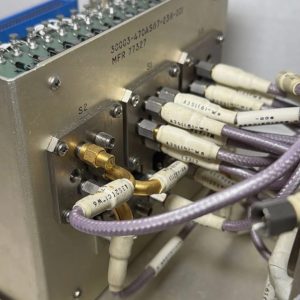
The Aviation Switching Module – NSN 4920-01-250-2696 (AS-IS / Untested) is a specialized aerospace electrical component offered for professional evaluation, restoration, testing, parts recovery, collection, or another suitable non-assumed application.
The Aircraft Switching Module can form part of a specialized aviation system, while the Aerospace Switching Module requires identification through labels, technical documentation, connector configuration, and application records.
The Aircraft Electrical Switching Module may route selected circuits, while the Aviation Electrical Control Module, Aircraft Power Switching Module, Aerospace Electrical Control Unit, and Aircraft Signal Switching Module terms should not be interpreted as confirmed functions without documentation.
Accurate use of Aviation Control Module, Aircraft Electronic Switching System, Aerospace Switching Unit, and Aircraft Electrical Module terminology improves SEO without creating unsupported functional claims.
Understanding NSN 4920-01-250-2696
A matching NSN can improve identification, but it does not establish present condition, functional status, completeness, or suitability for a particular aircraft or test system.
An identification plate should not be removed, repainted, altered, or covered because it may provide the strongest evidence of the component’s origin.
Evaluating Surplus Aircraft Electronics
The condition description should be understood as a limitation rather than a suggestion that the unit is probably operational.
An untested component should not be connected directly to aircraft wiring, expensive test equipment, batteries, laboratory supplies, or unknown power sources.
Aviation Switching Hardware Uses
Application accuracy protects buyers from assuming that a broadly named Aircraft Switching Module will fit their project.
Missing knobs, guards, labels, connectors, covers, or fasteners may reduce completeness.
Aerospace Enclosure and Connector Condition
Age, handling, impact, humidity, temperature changes, contamination, and long-term storage can affect both mechanical and electrical condition.
Protective caps should remain installed during storage and shipping when available.
Evaluating Aircraft Electrical Components
A qualified technician should determine whether additional internal inspection is justified.
Seals, labels, inspection marks, tamper indicators, and original component arrangements may have historical or technical value.
Choosing an Aviation Electrical Control Module
Professional research should occur before any attempt to connect the Aviation Electrical Control Module.
Aggressive solvents, scraping, repainting, or polishing may remove original information.
Evaluating Aerospace Power Hardware
Controlled bench evaluation should be completed by personnel familiar with aerospace electrical hardware.
Accurate reporting protects buyers seeking an Aircraft Power Switching Module for repair, parts, or research.
Aerospace Module Troubleshooting
Visual inspection, continuity checks, insulation review, component identification, and controlled testing may form part of a professional evaluation.
Undocumented modifications can make future troubleshooting and identification more difficult.
Signal Switching Module Inspection
The pinout and signal type should be confirmed before continuity or injection testing.
The module should not be modified with unshielded wiring or improvised connectors solely for convenience.
Professional Aviation Module Evaluation
Buyers should determine whether they need a direct replacement, restoration item, training aid, or parts source.
Inspection tags, modification plates, repair labels, and revision marks can provide important information.
Aircraft Test and Support Equipment
Detailed condition reporting supports fair commercial evaluation.
Training use should avoid destructive modifications when the component has collectible or restoration value.
Choosing an Aerospace Power Distribution Module
Power distribution equipment may use switches, relays, terminals, bus structures, circuit protection, and control interfaces depending on design.
Bent brackets, enlarged holes, missing fasteners, or distorted mounting surfaces may complicate restoration.
Choosing an Aircraft Electrical Control Unit
The inspection should distinguish cosmetic wear from damage that may affect electrical operation or mounting.
Functional evaluation should proceed in stages, beginning with research and non-powered inspection before controlled electrical testing.
Inspecting a Power Control Module
An Aviation Power Control Module can have specialized applications within aircraft systems, aerospace ground equipment, maintenance platforms, or test installations.
Technicians should inspect for capacitors, transformers, relays, damaged insulation, or hazardous residues before opening or testing the unit.
Aircraft Electronic Switching System Integration
Without those references, operational claims should remain limited.
A replacement AS-IS unit may provide useful comparative parts but should not be installed without evaluation.
Aerospace Switching Unit Storage and Handling
Desiccant or moisture-control materials should not contact electrical components directly unless appropriate.
Loose accessories should be wrapped separately and inventoried before packaging.
Aircraft Electrical Module Buying Considerations
The potential cost of get more info connectors, manuals, test equipment, repairs, components, and specialist labor should be included in the buying decision.
The seller should explain whether the unit has been powered, opened, repaired, modified, tested, or removed from known equipment.
Inspecting the Aviation Switching Module Before Purchase
The AS-IS and untested condition should appear clearly within the title, description, invoice, and transaction terms.
- Confirm that the identification plate shows NSN 4920-01-250-2696 and record every manufacturer number, serial number, contract marking, revision, and modification label.
- Check for burned odors, melted material, arcing marks, water entry, chemical residue, and internal loose components where visible.
- Require packaging that protects connectors, switches, labels, enclosure corners, mounting brackets, controls, and loose accessories from movement and impact.
Safe Testing of an Aircraft Switching Unit
Testing should begin with identification research, visual inspection, connector mapping, safety review, and examination of available technical documentation.
Test results should identify which circuits or functions were checked and which remain unknown.
Documenting Aviation Electronics Restoration
Original labels, wiring routes, fasteners, finishes, and component locations should be preserved whenever practical.
Accurate records support future maintenance and responsible resale.
Final Thoughts on the Untested Aircraft Switching Module
The Aviation Switching Module – NSN 4920-01-250-2696 (AS-IS / Untested) offers stronger commercial appeal when its markings, controls, connectors, enclosure, accessories, history, and limitations are documented accurately.
The strongest buying decision begins with confirming the NSN, manufacturer, part number, serial number, configuration, connector layout, condition, storage history, modification status, included equipment, and intended use.
Whether the item is purchased for restoration, training, parts recovery, display, testing, inventory, or professional repair, transparent information and controlled handling provide the strongest foundation.
With verified identity, careful inspection, protected storage, safe bench procedures, organized documentation, and qualified technical review, the module can provide lasting specialist value.
Report this page